Horizon with AI

We’re excited to announce that Gamma Horizon is now fully integrated with Cisco Webex, replacing the legacy Collaborate mobile and PC bolt-ons. As part of this transition, Gamma will officially retire the original Collaborate (UC One) service on June 30, 2025. The attached letter serves as formal notice under your supply agreement with Gamma.

This change impacts both server infrastructure (backend systems) and desktop and mobile clients. To ensure a seamless experience, all Horizon Collaborate companies using the original Collaborate server infrastructure must transition to Horizon with Webex before June 30, 2025. Likewise, all Horizon users currently relying on original Collaborate or Soft Clients (Softphones) must complete their upgrade before this date

What does this mean for you and your customers?

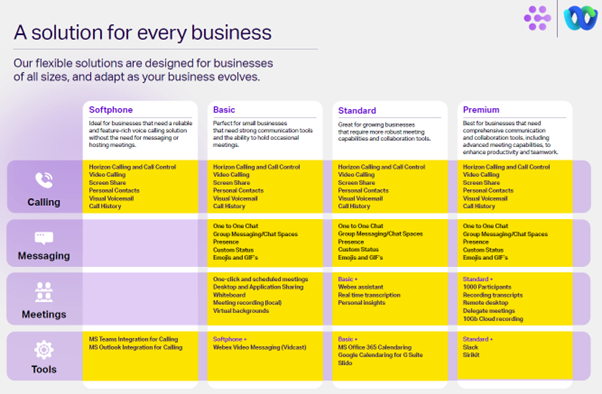
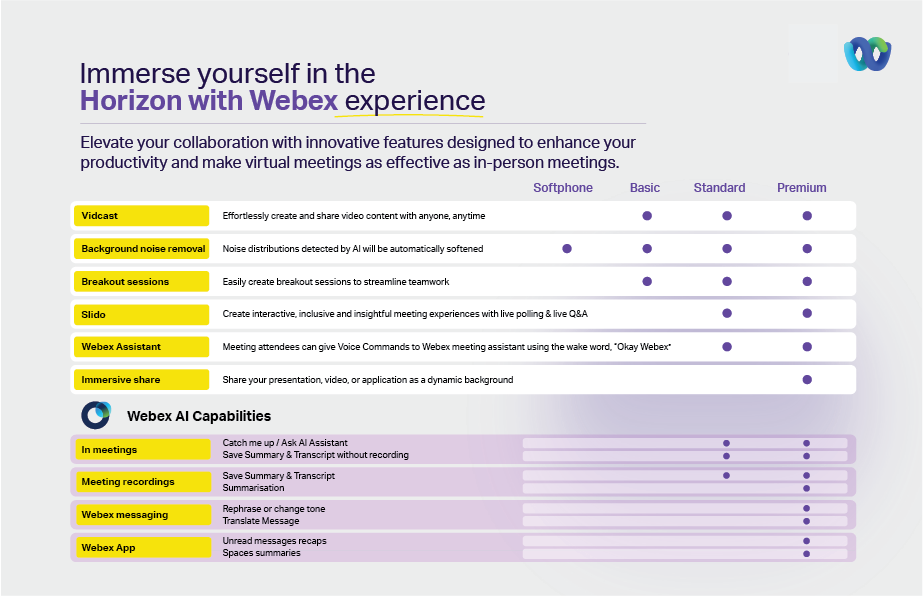
The integration of Cisco Webex with Horizon unlocks a new and enhanced feature set, designed to better meet diverse customer needs. With this upgrade, users will gain access to powerful AI-driven capabilities, including:

  • Meeting & Call Summaries – AI automatically generated summaries for improved recall and collaboration.
  • Real-Time Transcriptions – With AI get accurate and efficient transcriptions to keep track of important conversations.
  • AI-Powered Messaging Enhancements – Smart tone adjustments and communication refinements for a more professional and effective interaction.

This transition ensures that businesses benefit from a more advanced, AI-driven communication experience, boosting efficiency and productivity across the board.

This article was written by one of our telecoms experts here at Fidelity Group. We support a wide range of business sectors with our outstanding telecoms solutions. If you would like to speak to one of our experts to find out how AI within Horizon can help your business, please Click here or call us today on 0800 840 6800.

From 2G to 5G and beyond in IoT – an expert’s view

From the beginnings of 2G to the innovations of 5G and beyond, we explore how these generations shape the way we connect and communicate in our ever-evolving digital world, within the realm of Internet of Things (IoT) deployments.

2G Networks 
2G is the second generation of mobile communications. This is also widely known as the first GSM network and is still available in many countries. The 2G network is focused primarily on calling (voice) and SMS messaging.

Adding GPRS (General Packet Radio Service) made it possible to also send data packages based on IP messages at a transmission speed of 9.6 Kbps. At that rate it would take 3 full days to download an HD movie!

Within the 2G network, only one communication technique can be used at a time (using voice and data simultaneously is not possible). Many operators around the world are dismantling or have already dismantled the 2G network to deploy the frequencies for newer mobile generations.

3G Networks 

The 3G network is also known as UMTS. This generation was still focused on calling but offered a faster data connection. Many new technologies were added to this standard, thereby increasing the speed of 3G.

For example, the original 3G had a transmission speed of 384 Kbps in both the uplink and downlink. Later came HSDPA, which increased the downlink speed to 14.4 Mbps and then HSDPA+, which increased the downlink speed further, to 28.8 Mbps.

At the fastest rate available, the same HD movie mentioned above will take 2 minutes to download over HSDPA+.

Most networks have already begun removing 3G services so that these frequencies can be deployed in 4G and 5G networks. This will mean that IoT devices currently using 3G will have to switch to other available network generations.

4G Networks 

4G is based on advanced LTE (Long Term Evolution) technology and provides a secure IP-based solution for new telecommunication services such as IP telephony and mobile internet.

With theoretical speeds of up to 100Mbps, an HD video could be downloaded in 25 seconds at the maximum transfer rate! With 4G there should be no problem using applications for streaming large amounts of data, such as video.

4G is also ‘backwards compatible’ with 2G and 3G technologies, so if you have a 4G device you can generally use 2G/3G where 4G is not available (and where 2G / 3G is still available). 4G is focused on data and not voice, as per the previous generations.

Calling is possible on the 4G network but only with VoLTE (Voice-over-LTE), a form of Voice over IP. If you make a call over a 4G device, the device will switch to the 2G / 3G network to initiate the call and switch back once the call is over. You can try this with your mobile phone and have a look at the icon near your signal indicator that shows the generation of network you are connected to before, during and after the call.

5G Networks

5G is the fifth generation of mobile networks and the technology is still in development. However, most leading economies are already achieving full 5G coverage nationwide as of early 2023.  The technology, unlike previous technologies, is more focused on developing new use cases to bring other applications to the mobile world, which is not possible with current networks.

The theoretical transfer speed of full 5G is 20Gbps. To use the HD video example again, the HD video could be downloaded in 0.1 seconds at full data transfer rate. This is much quicker than the 3 days it would take over a 2G network!

5G abandons backwards compatibility with 2G and 3G and focuses entirely on 4G and 5G support only.

Summary

Connectivity has moved on incredibly and data speeds have allowed the formation of the Internet of Things. As technology speeds improve and, overall, connectivity platforms develop, the internet of things will only continue to grow.

This article was written by our team of IoT experts here at Fidelity Group. We support a wide range of business sectors with our outstanding IoT solution, which includes our market-leading software management platform, vM2M. If you would like to speak to one of our experts to find out how we can help your business, please Click here or call us today on 0800 840 6800.

CNA Awards – Winners of Best Reseller Innovation 2024

We are thrilled to announce that we have been recognised as the winner of the CNA Best Reseller Innovation award 2024! This prestigious honour highlights our commitment to delivering cutting-edge solutions to our customers.

The award judges said: “Fidelity Group’s Anvil offers a unique alternative to traditional software packages in the telecommunications industry by integrating CRM, compliance, billing, accounts, and contract management under one roof, negating the need to move between multiple platforms. Anvil is proven to increase efficiency and reduce costs, allowing companies to run their businesses more effectively. This is underpinned by fully integrated PowerBI reporting.”

What does this award mean?
The Best Reseller Innovation award is given to businesses that introduce a new, innovative solution or product and successfully bring it to market, driving value for end users. It celebrates creativity, forward-thinking, and the ability to solve real-world challenges through technology.
Winning this award is a testament to our team’s dedication to innovation and customer success. This award sets the standard for excellence in the industry.

What made our solution stand out?
At the heart of our success is a deep understanding of our customers’ needs and the rapidly evolving telecoms landscape. Our innovative solution, a business management system called anvil, was developed to tackle the most pressing challenges businesses face today. Some key features of this ground-breaking product include:

  • Unification – unlike fragmented solutions, Anvil delivers a fully integrated experience that connects multiple operational facets within a single platform. Resellers can manage leads, sales, billing, and customer data without the hassle of switching between disparate tools, boosting efficiency across the board.
  • End-to-end Workflow – Efficiently manage a large volume of work without switching between platforms, enhancing efficiency, reducing errors and ultimately increasing customer satisfaction.
  • Compliance – Anvil is designed to meet the latest OFCOM regulations, including support for the One Touch Switching initiative, ensuring that resellers are fully compliant with the latest industry standards, taking the burden off resellers and ensuring that they can operate confidently within the legal frameworks, thereby avoiding costly penalties.
  • Contract Management System – move away from traditional supplier-file-led invoicing and deliver your invoices on the first day of the month, thereby speeding up payment collection and taking the stress out of monthly cashflow.

CNA awardsThe impact on our customers
Our innovative solution has already made a significant impact on our customers, helping them overcome challenges in communication, connectivity, and business operations. Here are some of the benefits our clients have seen:

  • Increased Efficiency: Streamlining their communications infrastructure has saved customers valuable time and resources.
  • Cost Savings: Our clients have reported substantial reductions in operational costs, thanks to our scalable pricing models and the elimination of redundant systems.
  • Enhanced Collaboration: With improved connectivity and communication tools, teams can collaborate more effectively, regardless of location.

Driving the Future of Telecoms Innovation
Winning the Best Reseller Innovation award reinforces our commitment to pushing the boundaries of what’s possible in the telecoms industry. We are not just reselling products, we are shaping the future of communication technologies by delivering powerful, future-proof solutions that enable our customers to thrive in a fast-paced digital world.
Our mission is to continue developing new, forward-thinking products and services that empower businesses to stay connected, competitive and agile. As technology evolves, we remain at the forefront, ready to help our customers navigate the future with confidence.

Looking ahead
As we celebrate this incredible award, we are already focused on the future. With a commitment to innovation and customer success, we will continue to develop our business management system and build on the momentum of this award-winning solution.

If you would like to speak to one of our experts to find out more about anvil, please click here or call us today on 0800 048 4848.


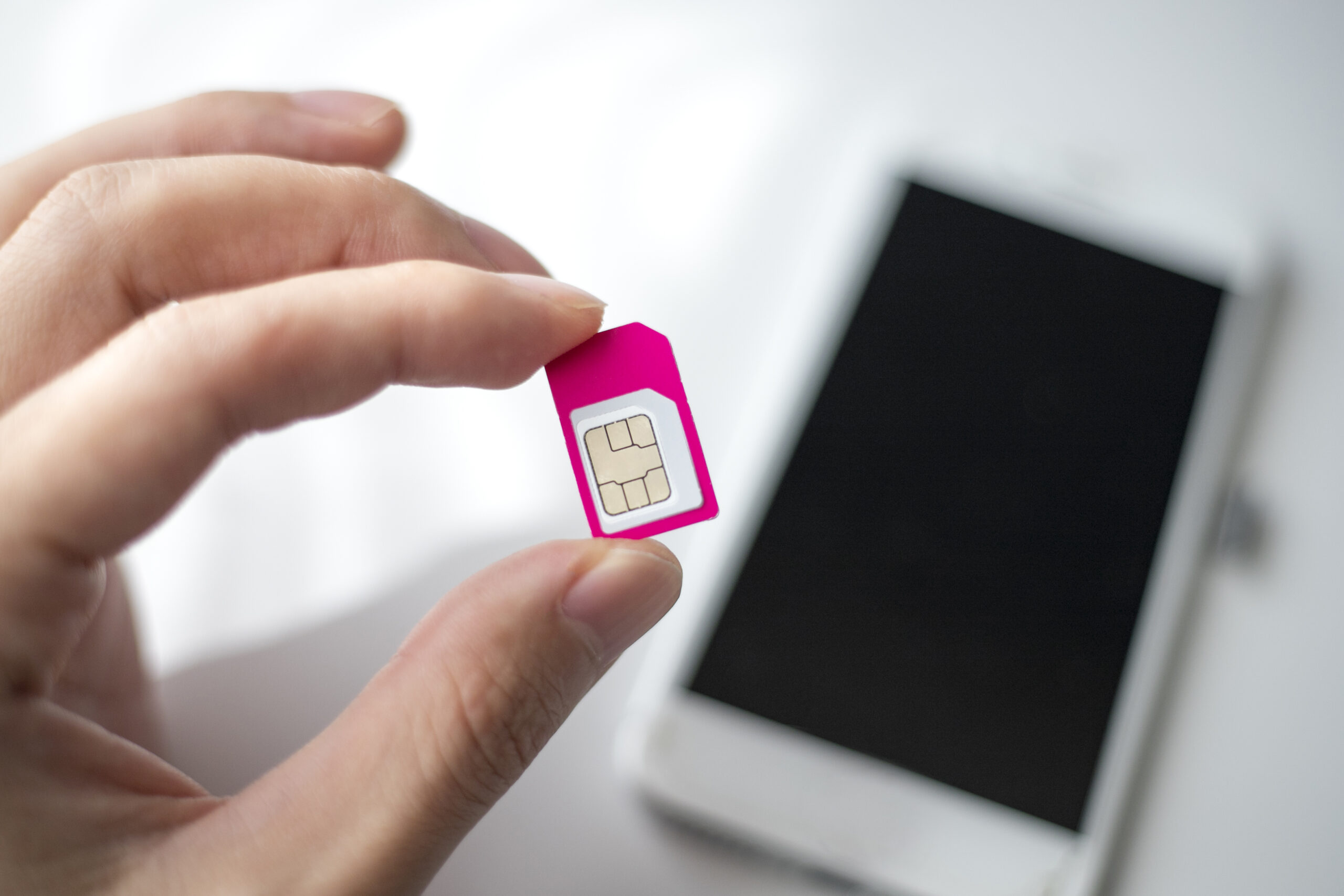
Why companies should avoid using mobile phone SIMs in IoT applications

As the Internet of Things (IoT) continues to grow, businesses are finding innovative ways to connect and manage devices remotely. From smart meters and industrial sensors to connected vehicles and healthcare monitors, IoT devices are revolutionising industries.

However, one critical decision for businesses deploying IoT devices is choosing the right connectivity solution. While it may be tempting to use standard mobile phone SIM cards for IoT applications due to their familiarity and availability, this approach comes with significant drawbacks. Here’s why companies should avoid using mobile phone SIMs in IoT applications and opt for IoT-specific SIMs instead:

1. Different data usage requirements

One of the primary differences between mobile phones and IoT devices is how they use data. Mobile phones are designed for heavy data consumption—think video streaming, social media, and browsing the web.

In contrast, most IoT devices require minimal, intermittent data usage, primarily for transmitting small amounts of information (e.g., sensor readings or status updates).
Using a mobile phone SIM designed for high data consumption can lead to excessive costs in IoT applications where data usage is far more modest. IoT-specific SIMs are optimised for these low-data scenarios, providing cost-efficient plans that align with the device’s needs, which can lead to significant savings.

2. Network stability and coverage

IoT deployments often span multiple geographic locations, including remote or industrial areas where mobile phone networks may have limited coverage.
While mobile SIMs are designed for urban and suburban use with a focus on consumer mobility, IoT SIMs offer better coverage and reliability in challenging environments. IoT SIMs often provide access to multiple networks, allowing devices to switch to the strongest available signal, ensuring uninterrupted connectivity in areas where mobile phone networks may fail.
This feature is especially important for critical IoT applications like healthcare monitoring, industrial equipment management or fleet tracking, where downtime or network disruption can result in significant operational or safety risks.

3. Security concerns

IoT devices often operate in environments where security is a primary concern, such as smart cities, utilities or healthcare. Mobile phone SIMs lack the necessary security features required for safeguarding IoT communications. IoT SIMs, on the other hand, come with enhanced security features such as private APNs (Access Point Names), VPN (Virtual Private Networks) support and secure encryption protocols, which protect sensitive data transmitted between IoT devices and backend systems.
With increasing cyberattacks targeting IoT ecosystems, using mobile phone SIMs can expose businesses to security vulnerabilities that could compromise sensitive data or disrupt critical operations.

4. Lack of device management tools

Mobile phone SIMs are typically not equipped with the tools needed to manage large-scale IoT deployments. IoT solutions often involve hundreds or thousands of devices that need to be monitored, updated, and managed remotely. IoT-specific SIMs come with management platforms that allow companies to monitor data usage, troubleshoot issues, and perform firmware updates across devices, all from a centralised interface.
This level of management is crucial for keeping IoT deployments running smoothly. In contrast, mobile phone SIMs lack these essential features, making it difficult to scale IoT operations efficiently or troubleshoot issues in real-time.

5. No support for long-term connectivity needs

IoT devices are often designed to be deployed for long periods without human intervention. Think of smart parking meters or environmental sensors, which might be expected to function for years in the field. Mobile phone SIMs, however, are not built for such long-term, low-maintenance deployments. They often come with contracts and terms that assume regular user interaction, such as device upgrades, usage reviews, or plan changes.

IoT SIMs are specifically tailored for long-term deployments, with flexible contract terms, lower-cost plans, and the ability to operate for years without requiring replacement or manual updates. This makes them far better suited to IoT environments where devices need to “set it and forget it.”

6. Cost inefficiency and billing complexities

Mobile phone plans are typically structured around high data usage, voice minutes, and SMS plans, which do not align with the low-bandwidth, data-only requirements of most IoT devices. Companies using mobile phone SIMs for IoT risk overpaying for services they don’t need or use. Additionally, billing structures for mobile SIMs are not optimised for handling thousands of devices, often leading to complex, hard-to-manage bills.

‘Companies using mobile phone SIMs for IoT risk overpaying’

IoT SIMs, on the other hand, offer flexible pricing models designed for bulk deployments and low-data usage. These plans allow businesses to scale without worrying about unexpected billing spikes or hidden costs, resulting in more predictable and manageable costs.

7. Inadequate support for global deployments

Many IoT devices are deployed globally, operating across different countries and regions. Mobile phone SIMs are limited in their ability to support international roaming or multi-country deployments efficiently. Roaming charges, incompatible networks, and regulatory issues can create major hurdles for businesses using standard mobile SIMs.

IoT SIMs, especially global IoT SIMs, are designed for seamless cross-border connectivity. They provide global coverage with no roaming charges, allowing devices to operate in multiple countries without the need for local SIM cards. This makes them the ideal choice for companies with internationally deployed IoT applications, such as logistics and transportation.

8. Regulatory compliance issues

Many IoT applications operate in industries with strict regulatory requirements, such as healthcare, utilities, or finance. Mobile phone SIMs are generally not designed to meet the compliance standards required in these sectors, potentially exposing companies to regulatory penalties. IoT SIMs, by contrast, are often built with industry-specific regulations in mind, helping businesses maintain compliance with standards such as GDPR, HIPAA, or PCI-DSS.

Conclusion

While mobile phone SIMs may seem like a convenient solution for IoT applications, they come with a host of limitations that can hinder the efficiency, security, and scalability of an IoT deployment. IoT-specific SIMs offer a tailored solution designed to meet the unique needs of connected devices, providing enhanced security, reliable network coverage, long-term connectivity, and cost-efficient pricing.

By opting for IoT SIMs, companies can ensure that their IoT devices are properly equipped to perform optimally, securely, and cost-effectively, regardless of the application or deployment scale. Investing in the right SIM technology from the start will save businesses from operational headaches, financial losses, and security risks down the road.

This article was written by our team of IoT experts here at Fidelity Group. We support a wide range of business sectors with our outstanding IoT solution, which includes our market-leading software management platform, vM2M. If you would like to speak to one of our experts to find out how we can help your business, please Click here or call us today on 0800 840 6800.
Why summer is the best time to sign a new energy contract

As temperatures rise, most people are focused on barbecues, vacations, and days at the beach. But for savvy businesses, summer also offers a unique opportunity to lock in great energy rates. If you’re in the market for a new energy contract, now could be the perfect time to make your move. Here’s why:

Summer prices are historically lower

Energy prices fluctuate throughout the year due to supply and demand, weather patterns, and market factors. During the winter months, heating needs drive up demand, which can cause prices to spike. In contrast, the summer months often see a drop in prices. With lower demand for heating and a steadier supply of energy resources, you’re more likely to find favourable rates.

By locking in your energy contract during the summer, you can secure a lower price before the cooler months set in and energy costs start to rise again.

Avoid price spikes in winter

One of the biggest risks of delaying your energy contract decision is being caught off guard by price spikes in the colder months. Electricity tends to experience higher demand during the autumn and winter, leading to increased prices. If you wait until the winter to renew or switch energy providers, you may end up paying more than you would have during the summer.

A new contract in the summer allows you to hedge against these fluctuations. You’ll know exactly what you’re paying for energy throughout the year, regardless of how the market shifts.

Greater stability and predictability

By signing an energy contract now, you can lock in a fixed rate. This is an excellent option for businesses who prefer stability and predictable monthly bills. A fixed-rate contract shields you from unexpected price increases during high-demand seasons, giving you peace of mind. Plus, many energy providers offer competitive deals during the summer, when customers aren’t as focused on their energy bills, giving you the chance to shop around for the best offer.

Favourable market conditions

Summer months tend to be a quieter time for energy markets. With less demand pressure, there is more competition among energy suppliers, which could lead to better deals. Suppliers may offer special discounts or promotional rates to attract new customers, making it a perfect time to sign a long-term energy contract at a lower price.

Additionally, the stability of global energy supply chains during the summer contributes to more favourable market conditions. When there’s less pressure on energy infrastructure, prices stabilize, making this the best time to explore your contract options.

Energy efficiency in summer prepares you for winter

Summer is a good time to think about energy efficiency in your home or business. Many people assume winter is the time to consider their energy needs, but preparing in advance during the summer can help you save more when it matters most. By locking in a lower rate now, you can make sure your budget is ready for the higher usage that often comes with winter heating demands.

Furthermore, summer offers the perfect opportunity to evaluate your energy provider and ensure you’re getting the best deal. Whether it’s switching providers or renegotiating your current contract, you can ensure you’re prepared to make energy-saving adjustments before peak energy usage begins.

Take advantage of renewable energy incentives

If you’re looking to transition to greener energy sources, summer can be an excellent time to make the switch. Many energy companies offer special incentives for renewable energy contracts during this season. With more sunlight and milder weather, solar and wind energy production is at its peak, which can make renewable energy contracts more attractive and cost-effective.

By signing a new contract now, you can benefit from these incentives and reduce your environmental impact while potentially lowering your energy costs in the long run.

Beat the rush!

As summer winds down and people start thinking about the colder months, there tends to be a rush of customers looking to renew or change their energy contracts. By acting early, you can avoid the rush and secure a great deal before demand increases. Energy suppliers often have more time to negotiate favourable terms and customize plans during the slower summer months.

Conclusion: Lock in low energy prices now

Summer is more than just a season of relaxation; it’s an opportunity to make smart financial decisions that will benefit you for the rest of the year. By locking in a new energy contract during the summer months, you can take advantage of lower prices, avoid future price spikes, and enjoy the stability of predictable energy costs.

Don’t wait until the high-demand winter months to make your move. Contact us today to explore our competitive summer rates and find the energy plan that’s right for you. Now is the perfect time to secure your energy future at a lower price.

Here at Fidelity Group we are experts in energy. Why not talk to one of our experts today and find out more about our leading solutions? Just go to our Contact Us page now.

What is a fixed IP SIM card? 

An IP address serves as a unique identifier for devices accessing the internet. 

Most IoT devices use dynamic IP addresses, which change with each connection. However, fixed (or static) IP addresses remain constant. Devices with fixed IP SIM cards always use the same address when connecting to a network. 

 In IoT connectivity, a solution may require a Static IP address which could offer advantages related to continuous connectivity, remote access and integration with other systems; however this is not always a requirement.  

There are also elements to take into consideration with Static IP SIM cards such as security and additional latency. 

There are different types of Fixed IP SIM cards 

  1. Fixed public IP SIM card 
  • Hosted in the public domain, accessible over the internet. 
  • Ideal for enabling access to connected devices from other endpoints. 
  • Example: CCTV systems where users view real-time camera footage remotely. 
  1. Fixed private IP SIM card 
  • Visible only within your enterprise network. 
  • Secure option for device-to-device communication within a private network. 
  • Consider supplementing with a secure VPN for remote access over the public internet. 

 Common applications for fixed IP SIM cards include retail where reliable communication is required for automated point-of-sale (POS) systems and security monitoring where wireless CCTV solutions benefit from fixed IP SIMs. 

 Fixed IP SIM cards play a vital role in the connected world. However, it is important to consider whether the static IP is a requirement for the solution to function or a nice-to-have, as the world has run out of IPv4 IP addresses 

 (https://en.wikipedia.org/wiki/IPv4_address_exhaustion), and most devices / networks do not have the capability to support IPv6 IP addresses yet. As a result of this, a static IP may often be expensive to supply for an IoT solution. 

This article was written by our team of IoT experts here at Fidelity Group. We support a wide range of business sectors with our outstanding IoT solution, which includes our market-leading software management platform, vM2M. If you would like to speak to one of our experts to find out how we can help your business, please Click here or call us today on 0800 840 6800.
Energy drives client to £30k commission payment

At our partner day back in June, I shared with some of you who don’t currently sell Energy why I believe it’s worth considering. I wanted to highlight a success story from one of our partners who hadn’t really considered selling Energy before. Since the partner day, they sent over their first-ever customer bill for us to review.

In August, we worked closely with this partner to understand their customer’s needs, which led to a signed order on the last day of the month. The result? This partner earned over £30,000 in commission! Not bad for simply sending us a bill!

Energy market analysis

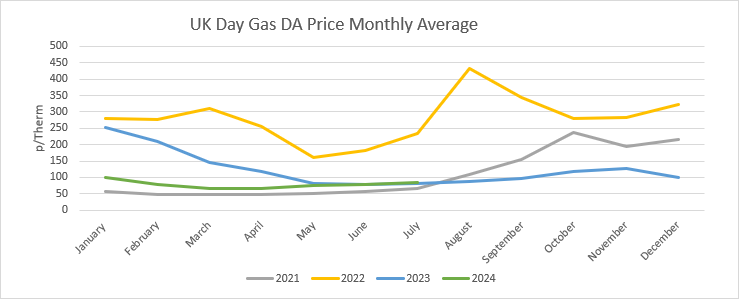
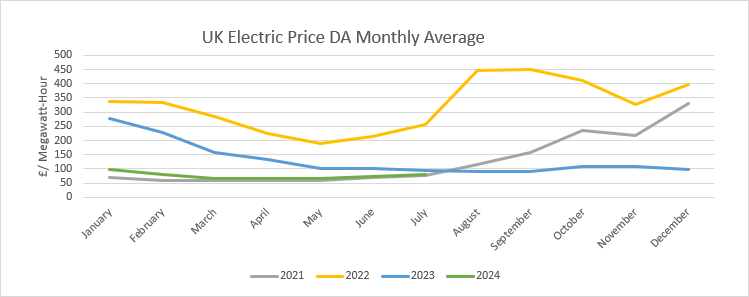
The market has been falling so far this year, however we have seen upwards movement in the market over the past 6 weeks, please see below graphs, as you can see, in hind site, the lowest point to procure in the market is typically between April and June, and we believe now is the optimal time to procure, to crystalise your position in the market as far out as September 2027.

The below graphs demonstrate that 2024 is performing on a similar trajectory to 2021, as typically around July/August, price increase begin to accelerate as many businesses look to secure mass volume in preparation for Winter.

The world’s uncertainty has created a susceptible UK commodity market; the most recent factors to consider are the recent snap elections in France and the recent election in the UK. The outcome of such elections could significantly impact the UK energy market as France supplies a significant volume of electricity through the interconnectors along the south coast, driven by its extensive nuclear facilities.

The UK elections will determine the direction the UK decides to pursue in terms of energy strategy, including self-sufficiency and imports. The new Labour Government is pushing for the UK to be a “Clean Energy Superpower,” which has progressed and begun appointing board members. This will push for heavy investment into further improvements in Wind, Solar, and Hydro generation.

The ongoing tension in Russia/Ukraine and the more recent tensions in the Middle East and the Red Sea are also crucial factors. We believe securing budget certainty now whilst significant savings are available is key, as the market is rising. Savings may diminish as time goes by, particularly as the above factors play out.

Tension in Israel has increased, and therefore, it may be prudent to secure before this intensifies further to ensure you lock in before rates potentially spike.

Solar and Wind generation is forecasted to fall over the next few weeks due to a decline in weather conditions.

As mentioned above, the futures market is also increasing, so obtaining this budget certainty now is vital, as we believe there is a minimal chance of further drops.

To talk to your account manager and find out more please call us on 0800 840 6800.

NEW – Record Teams and phone calls on one platform

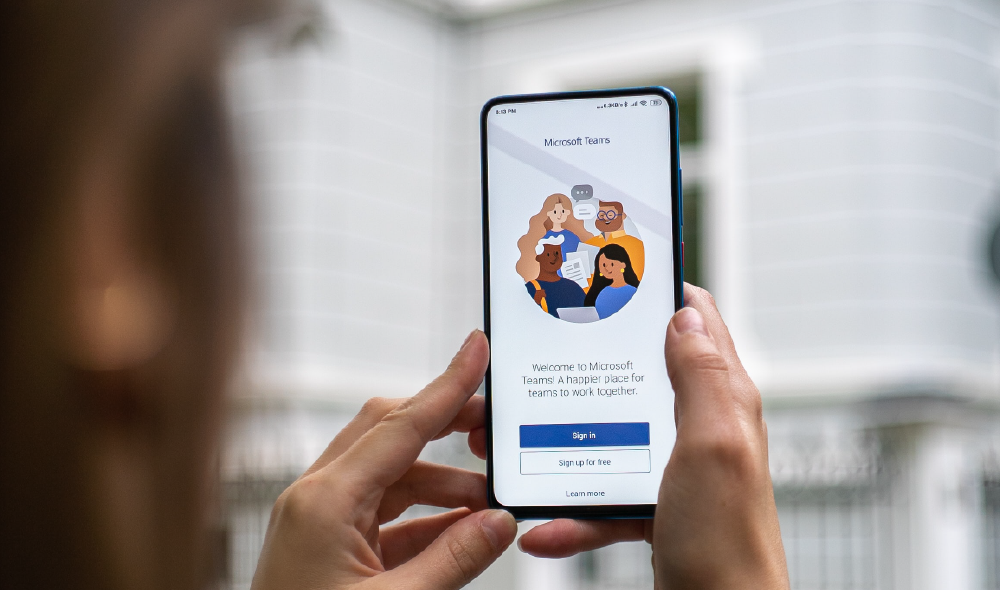
We’re about to launch two fantastic new products that will revolutionise the way businesses view Microsoft Teams from a business intelligence perspective. These products are perfect for bundling, helping you increase your wallet share with your clients. Marketing campaign incoming!! These products are:

Microsoft Teams Call Reporting: Are you struggling to differentiate your Microsoft Teams Voice offering?  This is one of ways we can help you by reporting on how many calls (PSTN or not) that your customers staff are making through MS Teams.

We have always been able to report on our hosted phone systems but very seldom on MS Teams. This powerful reporting tool allows businesses to now intelligently see what activity their staff have on MS Teams AND the phone system they are using!

Microsoft Teams Call Recording: This fantastic product that you can now sell with MS Teams really does put businesses in the driving seat. With our new offering, you can:

  • Record all types of calls, including internal, external, Teams, mobile and PSTN lines
  • Store recordings in Azure as long as needs
  • Store recordings in an encrypted tamperproof format
  • Tag recordings with Legal Hold to prevent Deletion as part of an investigation

To talk to your account manager and find out more please call us on 0800 840 6800.

NEW – iPECS  now with AI and more!

As you are aware, you now have access to this great product which allows you to be even more agnostic when it comes to client communications.

This platform focuses heavily on integrations, AI tools and CX capabilities. Version 7.0 is about to land and will deliver significant CX enhancements. Find the brochure here (cp.gamma.co.uk/Connect-Brochure-July-2024-PDF)

To talk to your account manager and find out more please call us on 0800 840 6800.

Goodbye Collaborate. Hello Webex!

Horizon with Cisco Webex is Gamma’s new unified communications solution. The all-in-one platform combines high-definition voice and video calling, messaging, and meetings in one single app.

Check out the new video that showcases just some of the many features your customers will be able to look forward to, including:

Built in high-definition voice and video calling with AI-driven noise cancellation

Feature rich messaging including chat threads, file sharing, tone analyser and message rewrites

Meeting summaries, recordings and breakout sessions

Launching for you in September, this highlights our vision and commitment to keeping you on the cutting edge of your customers’ communication needs while continuing to provide the reliable service you expect. To talk to your account manager and find out more please call us on 0800 840 6800.

What our customers have to say.

George

I used to be a customer of one of the major UK networks. Billing or tech queries took  a hours of waiting. Each time I contact Fidelity Group they get back to me promptly with the answer. The service is impeccable.

AA Lighting Group.

Our preferred provider, Fidelity Group, came to our rescue. Other companies pretend to be the best but Cristian was not just a step ahead – he was miles ahead!! Thank you, Cristian, Thank you Fidelity Group!

Emma

We have been a customer of Fidelity for a number of years now and the service is always impeccable….SIM cards are sent out next day, which is extremely helpful for our fast-paced business. I would highly recommend working with Fidelity Group.

George Serbanescu

My old supplier took hours of me waiting on hold and I was never able to get a clear answer. Each time I contact Fidelity Group they get back to me promptly with the answer regardless if this is about billing, a technical issue, roaming. The service from Fidelity is impeccable.

Gwen S

We moved to Fidelity 2yrs ago. Moving to Fidelity was extremely simple and the saving was significant. The service received from you is amazing. You always deal with everything in the a professional manner responding to all queries in no time.

Julia Connely

I have had difficulties using Horizon on my mobile and Carl has helped me to get the new hub connected with a lot of patience. Found out that my broadband provider had to give permission for connection as it wasn’t their hub I was using anymore. He has been very calm throughout.

Mac McGlone

I spoke with Carl after my system was down. He guided me through the problems and kept me informed. The follow up was excellent until the problem was resolved.

Richard Davies

We recently changed from a standard broadband line to a leased line with Fidelity. It was installed within two months of signing (and that included the Christmas/New Year break), so much quicker than we expected. And it is far superior to our old line. A very efficient service.

Matthew Finn

Been a hosted telephony customer of Fidelity now for almost a year and be delighted with the service. The tech support is first class as you get a dedicated adviser to handle your case all the way through, which I love! I would definitely recommend.

Neeta Patel

Marco has helped a great deal on the problem and has helped to improve the services after discussion, some of which I did not realise were available. He kept in touch until we were fully happy.

Mike Hawkes

Great company, helpful and always available when required.

Kevin Dowling

Fidelity is an excellent telecoms provider. The levels of support we receive pre and post-sales are second to none.

Connect with us

If you’d like to find out more, why not call us now on 0800 840 6800 or simply fill in our contact form below and we’ll be in touch.